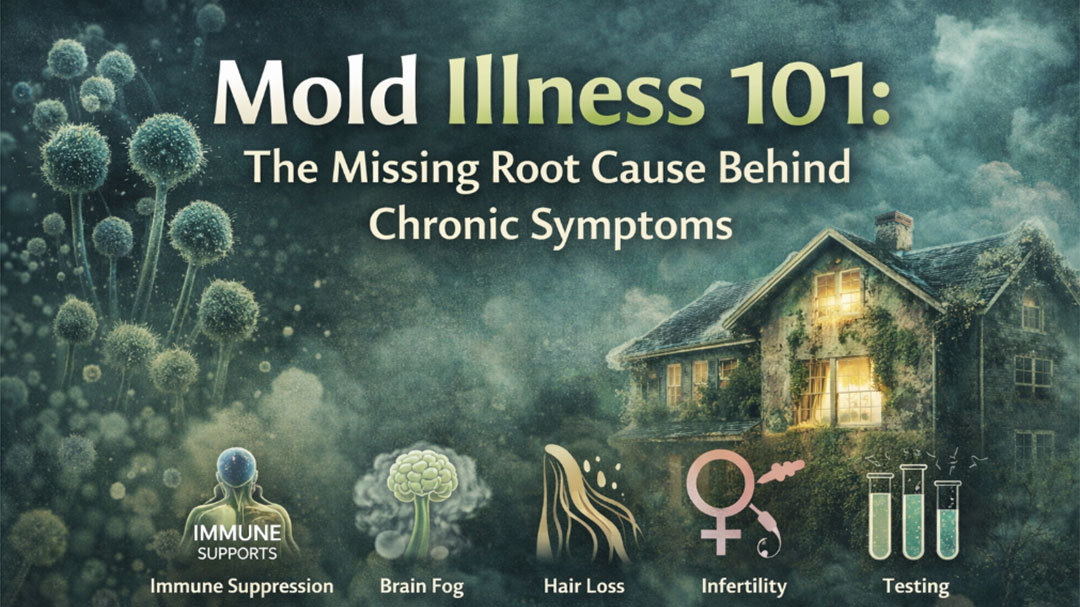
Many people struggling with chronic health symptoms feel like they’ve tried everything. They’ve changed their diet, taken supplements, and seen multiple doctors—but still don’t feel like themselves.
What often goes overlooked is something hiding in the environment: mold exposure.
Mold illness is frequently missed because its symptoms can look like many other health conditions. Fatigue, brain fog, digestive issues, anxiety, and even autoimmune conditions can sometimes trace back to exposure to mold toxins known as mycotoxins.
Understanding mold illness—and how it affects the body—can help connect the dots for people dealing with symptoms that never seem to fully resolve.
What Is Mold Illness?
Mold illness typically develops when someone is exposed to mycotoxins, which are toxic compounds produced by certain types of mold. These toxins can enter the body through inhalation, ingestion, or skin contact and can affect multiple systems at once.
While mold is common in the environment, problems arise when mold grows in indoor spaces such as homes, workplaces, vehicles, or buildings with water damage. Once mold begins to grow, it can release spores and toxins into the air that people breathe daily.
Over time, this ongoing exposure can create inflammation and disrupt how the body’s systems communicate with each other.
Why Mold Illness Is Often Missed
One of the biggest challenges with mold illness is that the symptoms are often vague and wide-ranging.
Some people experience classic allergy-type symptoms like congestion or sneezing, but others develop symptoms that seem completely unrelated to mold.
Common symptoms associated with mold exposure can include:
- Brain fog and memory problems
- Chronic fatigue
- Headaches or migraines
- Digestive issues like bloating or nausea
- Skin rashes or itching
- Hormonal imbalances
- Anxiety or mood changes
- Joint or muscle pain
- Sleep disturbances
Because these symptoms can overlap with many other conditions, mold exposure may not be considered right away even when it is a major contributor.
Mold and the Nervous System
Mycotoxins can directly impact the nervous system, which helps explain why mold illness often affects energy, mood, and cognitive function.
Some people exposed to mold report symptoms such as:
- Difficulty concentrating
- Increased anxiety or irritability
- Feeling mentally “cloudy”
- Dizziness or tremors
These neurological effects can make mold illness especially frustrating because patients may feel dismissed when standard testing doesn’t show a clear cause.
Mold and Sleep Problems
Another commonly overlooked connection is between mold exposure and sleep disruption.
Because mold toxins can influence the nervous system and hormone balance, they can interfere with the body’s ability to regulate healthy sleep cycles. People may experience:
- Trouble falling asleep
- Waking frequently during the night
- Feeling exhausted despite sleeping
- Poor response to typical sleep supplements
In these cases, addressing the underlying environmental stressor may be necessary before sleep improves.
Why Some People React More Than Others
Not everyone exposed to mold develops severe symptoms. Some individuals are more vulnerable depending on how well their bodies can detoxify and regulate inflammation.
People who may be more susceptible include:
- Individuals with autoimmune conditions
- Those with chronic infections or gut issues
- People living in water-damaged buildings
- Individuals with genetic detoxification challenges such as MTHFR
- Children whose immune systems are still developing
When the body is already under stress, mold exposure can become the tipping point that worsens symptoms or triggers new health issues.
Where Mold Exposure Often Happens
Many people assume mold must be visible to cause problems, but that’s not always the case. Mold frequently hides in places such as:
- Behind drywall or wallpaper
- Inside HVAC systems or air ducts
- Under flooring or carpets
- In basements, bathrooms, or attics
- In water-damaged buildings or vehicles
Even when mold isn’t visible, the spores and toxins it produces can still circulate in indoor air.
Mold and Chronic Inflammation
One of the most important ways mold impacts the body is through chronic inflammation.
When the immune system detects mold toxins, it activates protective responses to try to eliminate the threat. If exposure continues over time, the immune system may remain in a constant state of activation.
This can contribute to symptoms like:
- Joint pain
- Persistent fatigue
- Histamine reactions
- Gut dysfunction
- Immune dysregulation
For many patients, addressing environmental stressors like mold is an important step toward calming chronic inflammation.
How Mold Exposure Is Identified
Because mold symptoms can mimic other health conditions, testing can help identify whether mold may be contributing to someone’s health challenges.
Approaches may include:
- Mycotoxin urine testing to detect mold toxins stored in the body
- Food allergy testing
- Gut testing
- Environmental inspection of homes or workplaces
These tools can help uncover patterns that might otherwise be missed.
Addressing Mold Exposure
Recovering from mold illness usually involves two important steps:
1. Identifying and reducing the source of exposure
This may include repairing water damage, improving ventilation, or working with professionals to remediate mold in the home.
2. Supporting the body’s detoxification pathways
The body naturally clears toxins through systems like the liver, gut, kidneys, and lymphatic system. Supporting these pathways can help the body gradually eliminate stored toxins.
Because each person’s situation is unique, the approach to recovery often needs to be individualized.
The Bigger Picture
Mold illness can be incredibly frustrating for people who feel like their symptoms are constantly dismissed or misunderstood.
When symptoms affect multiple systems, it may be worth exploring whether environmental factors like mold exposure are part of the story.
Understanding what your body has been exposed to can be a powerful step toward finally making sense of symptoms that haven’t had clear explanations.
Want to Learn If Mold Could Be Affecting Your Health?
If you’ve been dealing with chronic symptoms like fatigue, brain fog, gut issues, or inflammation without clear answers, mold exposure may be worth investigating.
At our office, we take time to look at the bigger picture and evaluate the environmental and lifestyle stressors that may be impacting your health.
Schedule a 10-minute commitment call to learn how we can help guide you through the next steps.
This short call allows you to ask questions, understand our approach, and determine whether our office is the right fit for helping you move forward.